Have you been faced with a sudden pool of standing water — or worse, sewage — in your home or on your property? Or are you about to buy a new home and, during the inspection, want a video record of the current condition of the sewer or storm lines?
What Is a Sewer Scope Inspection?
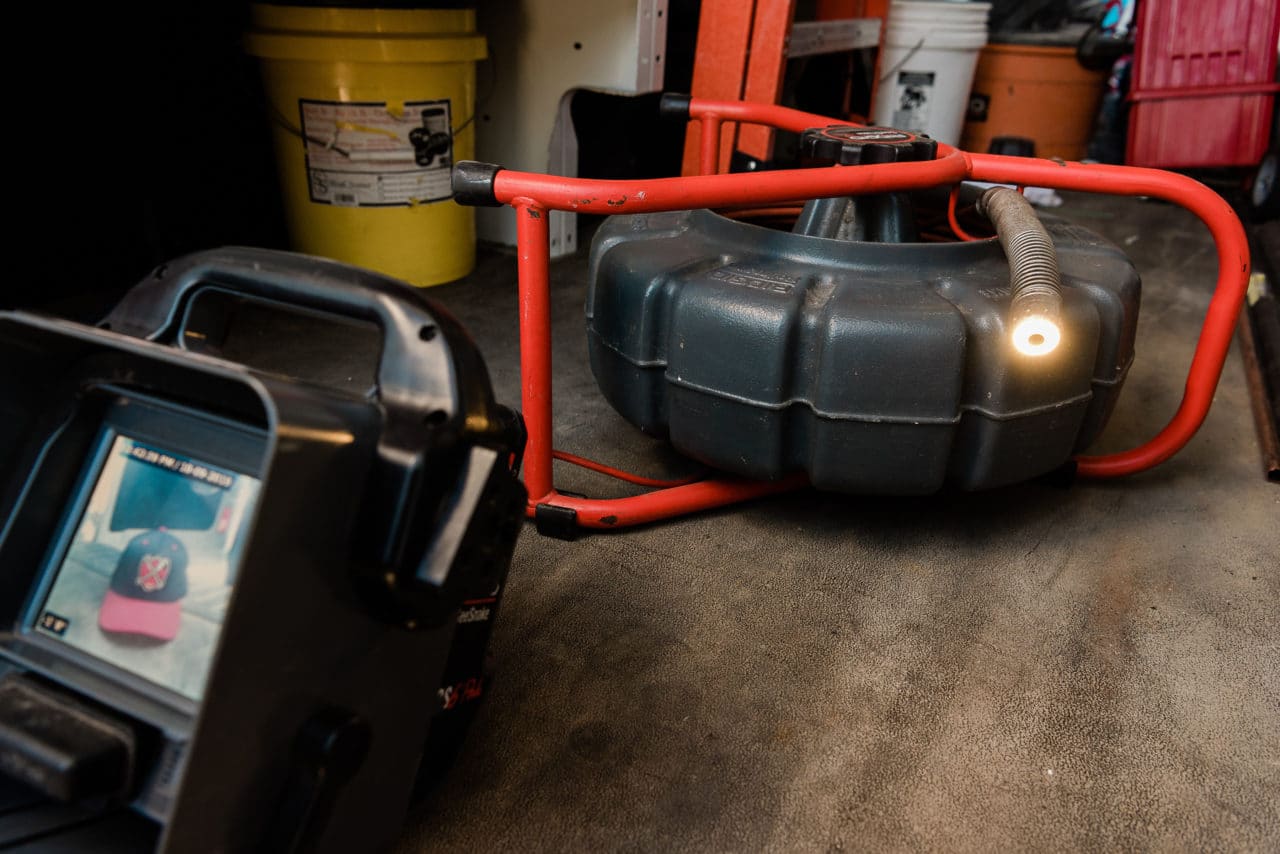
A sewer scope is a specially housed video camera, with built-in lights, mounted on the end of a 200-foot flexible cable. A sewer scope inspection identifies issues inside your plumbing, sewer, or storm lines. Our video inspection — often paired with drain or line cleaning — can determine the source of issues located inside the actual structure of plumbing and sewer systems. Sewer scoping can also help determine whether you have a shared sewer system with neighbors before your line reaches the public city sewer mains.
Why Should I Do a Sewer Scope Inspection?
1. It Can Save You from Extensive and Expensive Repairs
Whether you just bought a new home, own a rental property, or are starting to experience ongoing plumbing problems, a sewer scope can save you hundreds of dollars in the long run. The most common reason people choose to inspect with a sewer scope is they have no idea the condition of their sewer system and wonder if they’re going to have future problems. By spotting a crack now, you can prevent an expensive fix down the road and the inconvenience of a sewage backup.
2. You Can Repair a Small Portion Instead of the Whole Pipe
The most common problem we see when scoping is a root cracking a pipe. Without a scope, you’d be forced to replace the whole line. With video, we see exactly which portion needs work — saving the cost of a full replacement.
How Does Sewer Scoping Work?
1. Clear the Line
First, our plumber assesses whether the line needs cleaning before scoping. If a blockage needs to be cleared, we use a mechanical drain machine or hydro jetter to clear the line through a cleanout — an access point used to clear the sewer line as it exits the home. If your home doesn’t have one, the plumber will install one. Believe me, you don’t want them to have to pull your toilet and run the machines through your bathroom.
2. Insert the Sewer Scope Camera
The line(s) to be examined must be cleared so the camera can see — you can’t see anything in muddy, silty, or dirty sewer water. Once the line is cleared enough, the camera is introduced and pushed along the line. Sewer pipes can be made of clay, concrete, asbestos concrete, or plastic, joined together in different ways — most commonly with a gasket connection that allows for a smooth, continuous surface. Each material has its inherent benefits and drawbacks; all materials, over time, can break down, deteriorate, or erode away.
3. Identify the Blockage and Damage
Common things we see on a scope: roots creeping into joints, or minute holes in pipes, growing into the pipes and breaking them apart. Settling of the earth around pipes — or increased pressure from soils above — can unseat joints and shift pipe sections out of alignment, sometimes separating them entirely. Water erosion over time can erode the bottom section of a pipe entirely, commonly called a “belly,” where there’s no pipe structure left on the bottom of the bed and sewage seeps into the ground around the pipe. Sometimes we see buildup of sediment or minerals in a line, constricting flow or fully blocking it.
Other Commonly Asked Sewer Scope Questions
Should I Get a Sewer Scope for My Older Home or Rental Property?
Yes. Older homes are likely to have a root or other cause that has cracked the sewer line. For rental property, we recommend scoping at least once a year, ideally twice. The last thing you want is a call from your renter that the sewer line has broken and you have to drop everything and go dig in the rain.
Should I Get a Sewer Scope Before My Home Purchase?
Yes — we definitely recommend it. Previous owners may not know the condition of their sewer line or may use less water than the new occupant. A pre-purchase scope is one of the highest-ROI inspections you can do.
What’s the Difference Between Wastewater and Stormwater?
It’s worth knowing how your home eliminates wastewater — and why it’s important to keep your sewer line clear.
1. Wastewater Is All Water from INSIDE Your House
Residential homes are built with a pipe system that removes wastewater. Sewer water (sewage) is the collection point of all your kitchen, bathroom, and laundry drains as soon as the waste pipe exits your home. This effluent flows along your sewer pipe, perhaps connecting with a private “sewer system” you share with neighbors, then to the “main” or city-owned sewer system typically located along public streets or alleys. From there it’s pumped to the local sewage treatment plant for processing before being discharged into Puget Sound.
2. Stormwater Is All Water from OUTSIDE Your House
Stormwater is everything outside your home and should be separate from your sewer system: rainwater from gutters, yard, garden, patio, driveway runoff, plus surface water from public roads. It flows through a separate stormwater system — ditches, pipes, and culverts — running directly into local streams, rivers, and Puget Sound.
Sewer Scope Inspection Service Near You
Sewer scoping is an important tool to identify damage in your sewer system. If you’re looking for sewer scope inspection services in the greater Everett area, reach out to Stollwerck via our online quote form or by calling (425) 374-3909.